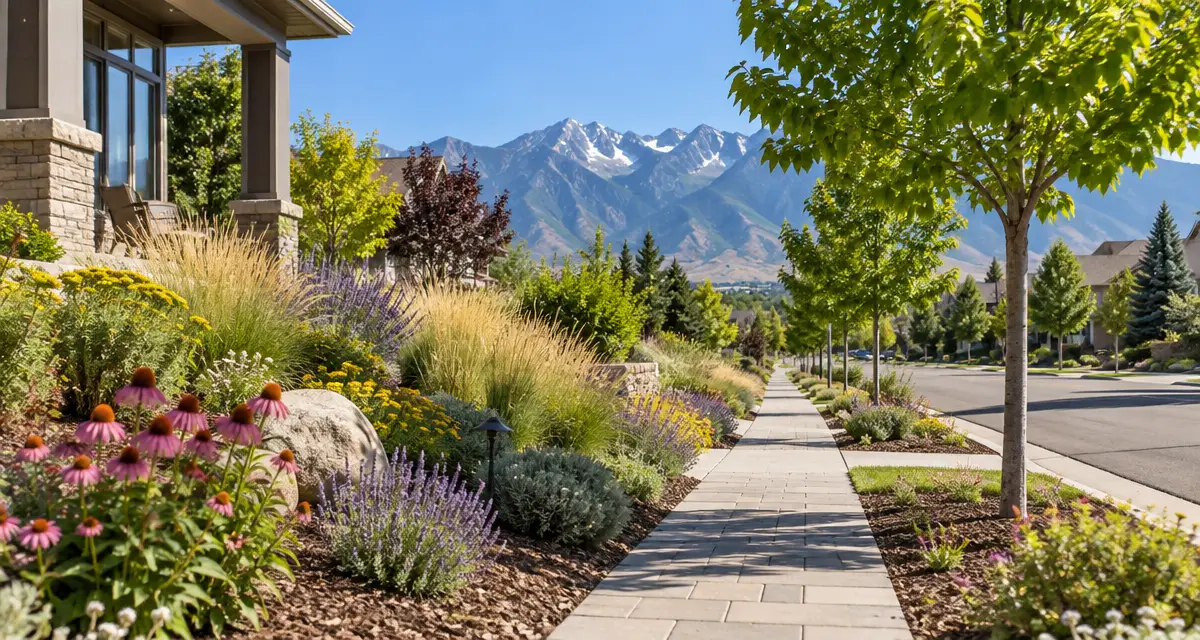
Salt Lake City has specific landscaping rules for the park strip area between your sidewalk and the street. These regulations ensure public safety and neighborhood beauty, covering everything from plant coverage and tree requirements to the use of hardscape materials. Understanding these rules is the first step to creating a compliant and attractive space.
Why Salt Lake City Regulates Park Strips
The park strip might seem like a small piece of land, but it plays a big role in our community's environment and safety. The city's regulations are designed to maintain a healthy urban canopy, manage stormwater runoff, ensure clear visibility for drivers and pedestrians, and enhance the overall aesthetic of our neighborhoods. A well-designed park strip contributes to a greener, safer Salt Lake City.
Key Salt Lake City Park Strip Landscaping Rules
Navigating local ordinances can be tricky, but the main requirements for park strips are straightforward. These rules are part of the city's broader Landscaping and Buffers Code, which applies citywide to ensure consistent standards.
Minimum Vegetation Coverage
According to city guidelines, at least 33% of your park strip must be covered with living vegetation. This rule discourages designs that are entirely rock or pavement, which can increase urban heat. This requirement aligns with the growing need for water-wise landscaping in Salt Lake City to conserve our precious resources.
Street Tree Mandates
If your park strip is wider than 36 inches, you are generally required to have a street tree. However, planting a tree in this space isn't as simple as digging a hole. You must obtain a permit from SLC's Urban Forestry division to ensure the right species is chosen and planted in a safe location that won't interfere with utilities or sidewalks.
Limits on Paving and Hardscape
While paths or decorative hardscaping can be part of your design, there are limits. The city restricts the amount of impermeable surfaces to allow for proper water absorption into the ground. A complete landscape plan may be needed to show how you will manage grading and irrigation around these features to prevent runoff.
Restrictions on Rock Mulch
Salt Lake City's ordinance also puts limits on the use of rock mulch. While it can be a useful component in a xeriscape design, covering the entire strip in rock is not permitted due to the heat it can radiate and its impact on soil health. The city's focus is on promoting living, green infrastructure.
How to Design a Compliant and Beautiful Park Strip
Meeting the city's rules doesn't mean your park strip has to be boring. With smart design choices, you can create a stunning, low-maintenance space that adds curb appeal and value to your home.
- Choose Hardy, Water-Wise Plants: The park strip is a tough environment. Plants must tolerate heat from the asphalt, road salt in winter, and potential foot traffic. Select drought-tolerant native perennials, ornamental grasses, and groundcovers that thrive in our local climate.
- Plan for Efficient Irrigation: A drip irrigation system is an excellent choice for park strips. It delivers water directly to the plant roots, minimizing waste and preventing runoff onto the sidewalk and street, which is crucial for water conservation.
- Work with a Professional Designer: The easiest way to ensure your project is compliant and beautiful is to work with an expert. A professional landscape design from Alpina Studio considers all city codes, soil conditions, and your personal aesthetic to create a perfect plan.
The Salt Lake City Tree Planting Permit Process
If a street tree is part of your park strip plan, you must follow the city’s official process. This starts with applying for a permit through the Urban Forestry division.
The city forester will review your application, approving both the proposed tree species and its exact placement. This is done to prevent future conflicts with overhead power lines, underground utilities, and sidewalk integrity. Proper planning ensures the tree will thrive for decades to come, adding value and shade to your street.
Navigating this process can seem daunting, but it’s a crucial step in contributing to our city's green canopy. If you need assistance with the paperwork or planning, Contact Alpina Studio, and we can guide you through it.
Frequently Asked Questions
Can I use artificial turf in my Salt Lake City park strip?
Generally, no. Salt Lake City's code requires at least 33% living vegetation coverage. Artificial turf does not meet this requirement and is typically not permitted in park strips as it doesn't support the local ecosystem.
What happens if my park strip landscaping is not compliant?
If your park strip violates city ordinances, you may receive a notice of violation from a code enforcement officer. This notice usually includes a specific timeframe to correct the issue. Failure to comply can result in fines.
Do I need a permit to remove a tree from a park strip?
Yes. Street trees are considered public assets that benefit the entire community. You must obtain a permit from the Urban Forestry division before removing or even significantly pruning a tree in the park strip.
Can I just fill my park strip with gravel?
No. While some gravel or rock mulch can be used as an accent in your design, city rules limit its use and mandate that at least one-third of the area be covered with live plants to reduce heat and support stormwater management.